

Free Delivery on all UK Orders over £70

Tutuky Magazine

The Ultimate Guide to First Aid for Pets: Keeping Your Furry Friends Safe

The Ultimate Guide to First Aid for Pets: Keeping Your Furry Friends Safe

In this comprehensive guide to first aid for pets, we cover essential tips to keep your furry friends safe in emergencies. Learn how to assess situations, perform basic first aid procedures, and recognize signs of poisoning. Discover what to include in your pet first aid kit, such as gauze pads, antiseptic wipes, and emergency contacts. We also outline common pet emergencies, like cuts, burns, fractures, and heatstroke, with practical handling advice. By being informed and prepared, you can ensure the well-being of your pets when it matters most. This guide serves as a valuable resource for pet owners looking to enhance their first aid knowledge and ensure their pets’ safety.

Read more

I found a lost pet. What to Do (and What Not to Do) When You Find a Lost Pet
I found a lost pet. What to Do (and What Not to Do) When You Find a Lost Pet

When you find a lost pet, it's important to approach the situation with care. This guide covers essential dos, such as checking for ID, contacting local shelters, and posting on social media, as well as critical don’ts like assuming abandonment or chasing the animal. By following these guidelines, you can effectively help reunite lost pets with their owners while ensuring a safe and compassionate approach.

Read more

Understanding Tooth Loss in Dogs: My Experience with Tartar and Its Impact

Understanding Tooth Loss in Dogs: My Experience with Tartar and Its Impact

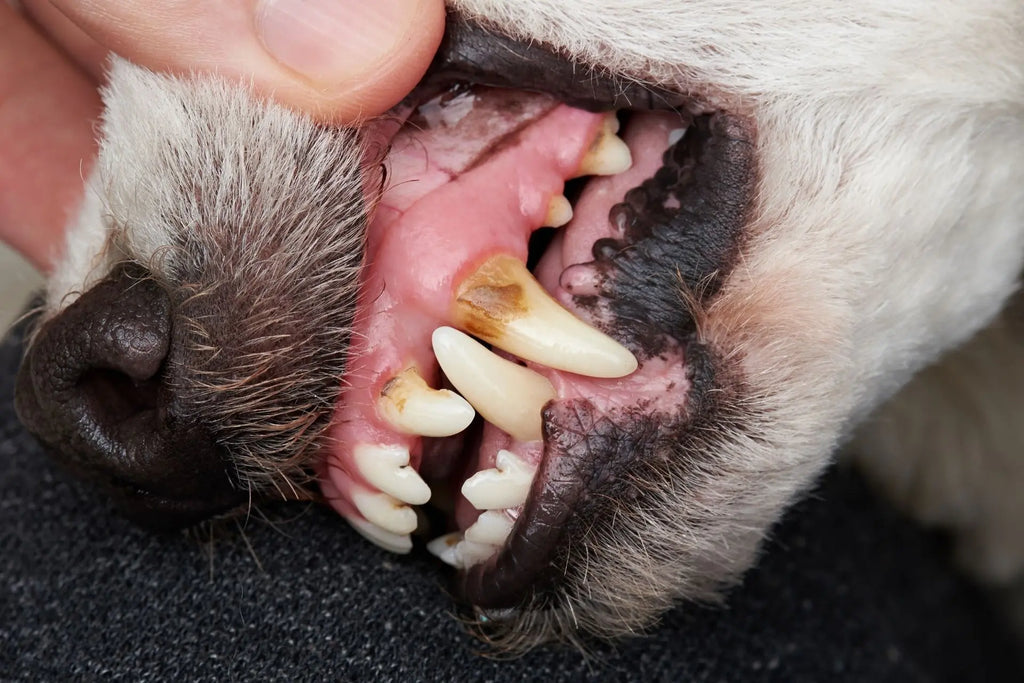
Tartar buildup can lead to significant dental issues in dogs, including pain, tooth loss, and overall health risks. Regular dental check-ups, daily brushing, dental chews, and a balanced diet are vital for preventing tartar accumulation. By taking proactive steps, you can maintain your dog’s dental health and improve their quality of life.

Read more

Understanding the Solitary Cat: What to Do When Your Cat Doesn’t Accept Other Cats

Understanding the Solitary Cat: What to Do When Your Cat Doesn’t Accept Other Cats

If your cat doesn’t accept being around other cats, it could be due to personality traits, lack of socialization, territorial behavior, past trauma, or health issues. Signs of discomfort include hiding, hissing, and aggressive posturing. To help your cat, create safe spaces, introduce other cats gradually, and provide enrichment while respecting their need for solitude. Understanding their needs will lead to a happier, healthier life for your feline friend.

Read more

What You Should (and Should Not) Feed Your Pet Tortoise: A Comprehensive Guide

What You Should (and Should Not) Feed Your Pet Tortoise: A Comprehensive Guide

A proper diet is vital for your tortoise’s health. Feed them a mix of leafy greens, safe vegetables, and limited fruits while avoiding high-protein foods, oxalate-rich vegetables, and toxic plants. Providing a balanced diet will contribute to a happy, healthy tortoise.

Read more

The Curious Case of Dogs That Snore: What You Need to Know

The Curious Case of Dogs That Snore: What You Need to Know

Dog snoring can stem from anatomical features, sleeping positions, weight, allergies, or age. While usually harmless, persistent or loud snoring may signal health issues. To manage snoring, maintain a healthy weight, encourage better sleeping positions, and consult a vet as needed. Understanding your dog’s snoring can help keep them happy and healthy.

Read more

Your Dog doesn’t like to go out? What should you do!
Your Dog doesn’t like to go out? What should you do!

Not all dogs are enthusiastic about walks, and this reluctance can stem from fear, physical discomfort, lack of socialization, or simply personality differences. To help your dog feel more comfortable with walks, consult a veterinarian, start slowly, use positive reinforcement, and vary your routine. Exploring alternative forms of exercise and gradually exposing your dog to new environments can also help. With patience and understanding, you can encourage your dog to enjoy their outdoor experiences.

Read more

Understanding the Differences Between Reptiles and Amphibians: What you need to know

Understanding the Differences Between Reptiles and Amphibians: What you need to know

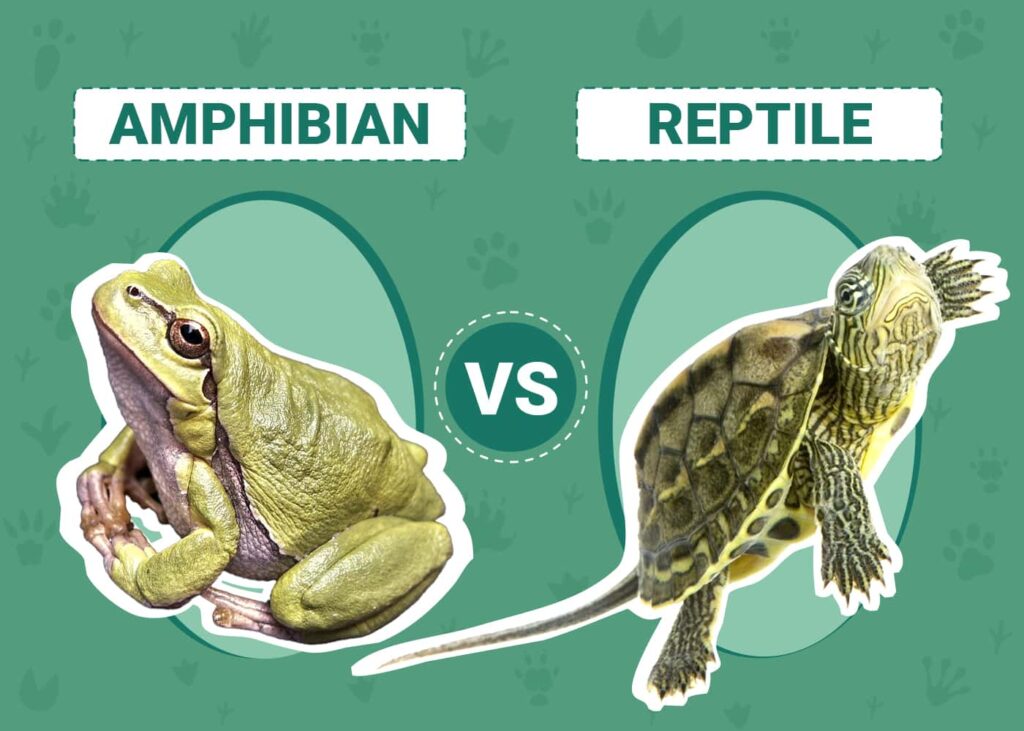
Reptiles and amphibians, while both cold-blooded vertebrates, have distinct differences that set them apart. Reptiles, belonging to the class Reptilia, feature dry, scaly skin, breathe through lungs, and generally reproduce via internal fertilization. They thrive in diverse habitats, from deserts to forests. In contrast, amphibians, classified as Amphibia, have moist skin, a dual respiratory system, and undergo external fertilization with a distinct metamorphosis from aquatic larvae to terrestrial adults. Their habitats are closely tied to water sources. Both groups face significant conservation challenges, but understanding their unique traits helps foster appreciation and awareness for their protection.

Read more

How to Teach Your Pet Reptile Basic Tricks: A Comprehensive Guide

How to Teach Your Pet Reptile Basic Tricks: A Comprehensive Guide

Teaching your pet reptile basic tricks can strengthen your bond and provide mental stimulation. Focus on positive reinforcement, using treats and consistent cues. Keep training sessions short and engaging, and be patient as your reptile learns at its own pace. Start with simple tricks like target training, coming when called, hand feeding, and climbing onto your hand. Always ensure your reptile is comfortable and stress-free during training. With dedication and the right techniques, you can enjoy a rewarding training experience with your reptile companion.

Read more